
Norovirus Infection: Symptoms, Causes, Treatment, Prevention and Why Cases Are Rising in the United States
Norovirus infection is one of the most common causes of stomach illness worldwide and is now drawing serious attention as cases rise rapidly in the United States. Often called the “winter vomiting disease,” this infection spreads quickly, causes sudden illness, and can create outbreaks in schools, hospitals, cruise ships, and nursing homes.
In recent weeks, health authorities have reported a sharp increase in norovirus cases across multiple U.S. states, raising concerns globally. Experts are also watching a new strain of the virus that appears to be more dominant this season.
This article explains what norovirus is, why cases are rising in the U.S., who is at risk, how the infection spreads, how to treat it, and what steps you should take to stay safe.
What Is Norovirus Infection?
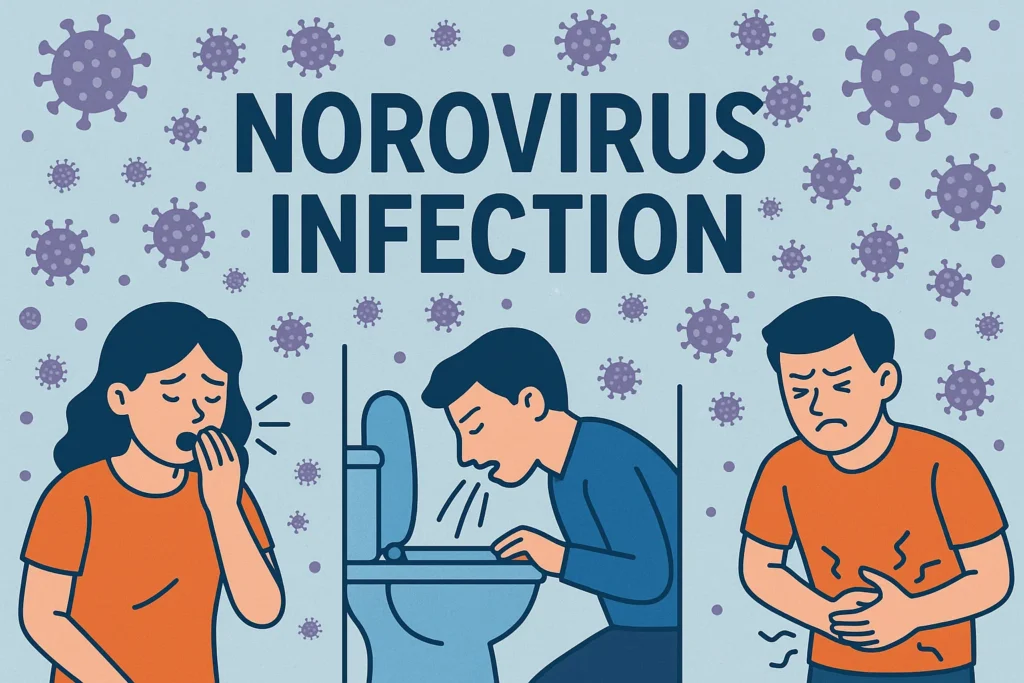
Norovirus is a highly contagious virus that infects the stomach and intestines, causing inflammation known as viral gastroenteritis. It leads to sudden vomiting, diarrhea, stomach pain, and weakness.
Unlike flu or respiratory viruses, norovirus affects the digestive system. It spreads through contaminated food, water, surfaces, and close contact with infected individuals.
Even a tiny amount of the virus can make someone sick, which is why norovirus outbreaks often happen suddenly and spread fast.
Why Are Norovirus Cases Rising in the United States?
Health data from the Centers for Disease Control and Prevention shows a worrying trend. Norovirus Infection positivity rates in recent weeks have doubled across the country, increasing from around 7 percent in August to nearly 14 percent by November. This rise has happened sooner than expected this year.
According to officials:
- Over 2,700 tests were conducted in a single week.
- Around 380 returned positive.
- Wastewater surveillance detected a 69 percent increase in viral load in multiple states.
The Stanford University reports that states such as Louisiana, Michigan, and Indiana are showing especially high viral levels in wastewater data, which often signals outbreaks before hospitals see patient surges.
At the same time, the U.S. is also dealing with:
- Seasonal flu
- COVID-19
- Whooping cough
This mix is increasing pressure on healthcare systems.
A New Norovirus Strain Driving the Surge
Experts believe the current spread may be linked to a new strain called GII.17.
For many years, most norovirus infections were caused by a strain known as GII.4. But current data suggests that GII.17 now accounts for nearly 75 percent of infections during the 2024–2025 season.
This newer strain may spread faster and evade immunity from previous infections, which explains why even people who had norovirus before are getting sick again.
How Dangerous Is Norovirus Infection?
Every year in the United States:
- Around 100,000 people are hospitalized
- Nearly 900 deaths are linked to complications from dehydration and weakened immunity
Norovirus is usually mild for healthy adults, but it can be dangerous for:
- Children
- Elderly people
- Pregnant women
- People with diabetes
- Patients with low immunity
- Hospital patients
Common Symptoms of Norovirus Infection
Symptoms usually begin within 12 to 48 hours after exposure.
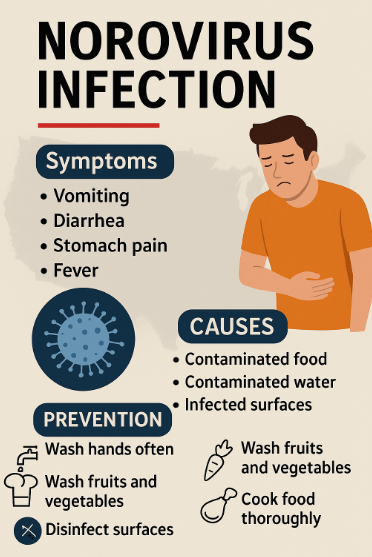
Typical signs include:
- Sudden vomiting
- Watery diarrhea
- Nausea
- Stomach cramps
- Fever
- Headache
- Muscle pain
- Chills
- Extreme tiredness
Most people recover in 1 to 3 days, but weakness may last longer.
What To Do If You Get Infected
The Cleveland Clinic confirms that norovirus has no specific cure. Treatment focuses on relieving symptoms and preventing dehydration.
Steps to recover safely:
1. Stay hydrated
- ORS
- Coconut water
- Soup
- Lemon water with salt and sugar
2. Eat light foods
- Rice
- Banana
- Toast
- Curd
- Boiled vegetables
3. Rest
The body recovers faster with sleep and minimal activity.
4. Seek medical help if you experience:
- Continuous vomiting
- Blood in stool
- High fever
- Confusion
- Dizziness
- No urination for 8 hours or more
- Severe weakness
How Long Is Norovirus Contagious?
An infected person can spread the virus:
- During illness
- For 48–72 hours after recovery
- In some cases for two weeks or more through stool
Even if you feel better, you may still infect others.
Prevention: How to Protect Yourself
Personal hygiene
- Wash hands with soap and warm water
- Avoid touching your face with unwashed hands
Food safety
- Avoid raw or undercooked seafood
- Wash vegetables and fruits carefully
- Eat freshly cooked meals
Cleaning
- Disinfect bathrooms and kitchens
- Wash clothes in hot water
- Clean surfaces daily
Public safety
- Avoid sick people
- Do not attend events if unwell
- Avoid preparing food for others while infected
Note: Hand sanitizers do not kill norovirus as effectively as soap and water.
Can Norovirus Be Prevented With a Vaccine?
No approved vaccine is available yet. Research is ongoing, but the strongest protection remains hygiene and food safety.
Key Takeaways
- Norovirus is extremely contagious
- Spreads through food, water, and surfaces
- Symptoms come fast
- No medicine cures it
- Dehydration is the biggest danger
- Hygiene is the best defense
FAQ Section
What is norovirus infection?
Norovirus Infection is a contagious stomach virus that causes diarrhea, vomiting, and weakness.
Is norovirus deadly?
Rarely, but dehydration can be fatal in elderly and ill patients.
Why is norovirus infection increasing in the U.S.?
A new strain (GII.17), low immunity, and winter conditions are major reasons.
Is it food poisoning?
Not always. Norovirus is viral, unlike many food poisoning cases.
Can antibiotics treat norovirus?
No. Antibiotics do not work on viruses.
How long does norovirus last?
Usually 1 to 3 days.
Can I go to work after recovery?
Wait at least 48 hours after symptoms stop.
Can I get norovirus again?
Yes. Immunity is short-lived.
Final Word
Norovirus Infection may look like a simple stomach bug, but the rapid surge in U.S. cases proves it deserves serious attention. Good hygiene, safe food practices, and early care can protect you and your family. If symptoms worsen, seek medical help without delay.
Disclaimer
This article is for general information and awareness purposes only. It is not intended to replace professional medical advice, diagnosis, or treatment. The information provided here is based on publicly available data, medical research, and expert opinions at the time of writing.
Health conditions and responses to treatment vary from person to person. Always consult a qualified doctor or healthcare professional before starting, stopping, or changing any medical treatment. Do not ignore medical advice or delay seeking professional help based on information from this article.
The publisher and author are not responsible for any health decisions taken based on this content.